Showing posts with label gardening. Show all posts

Monday, May 30, 2011

Reproduction

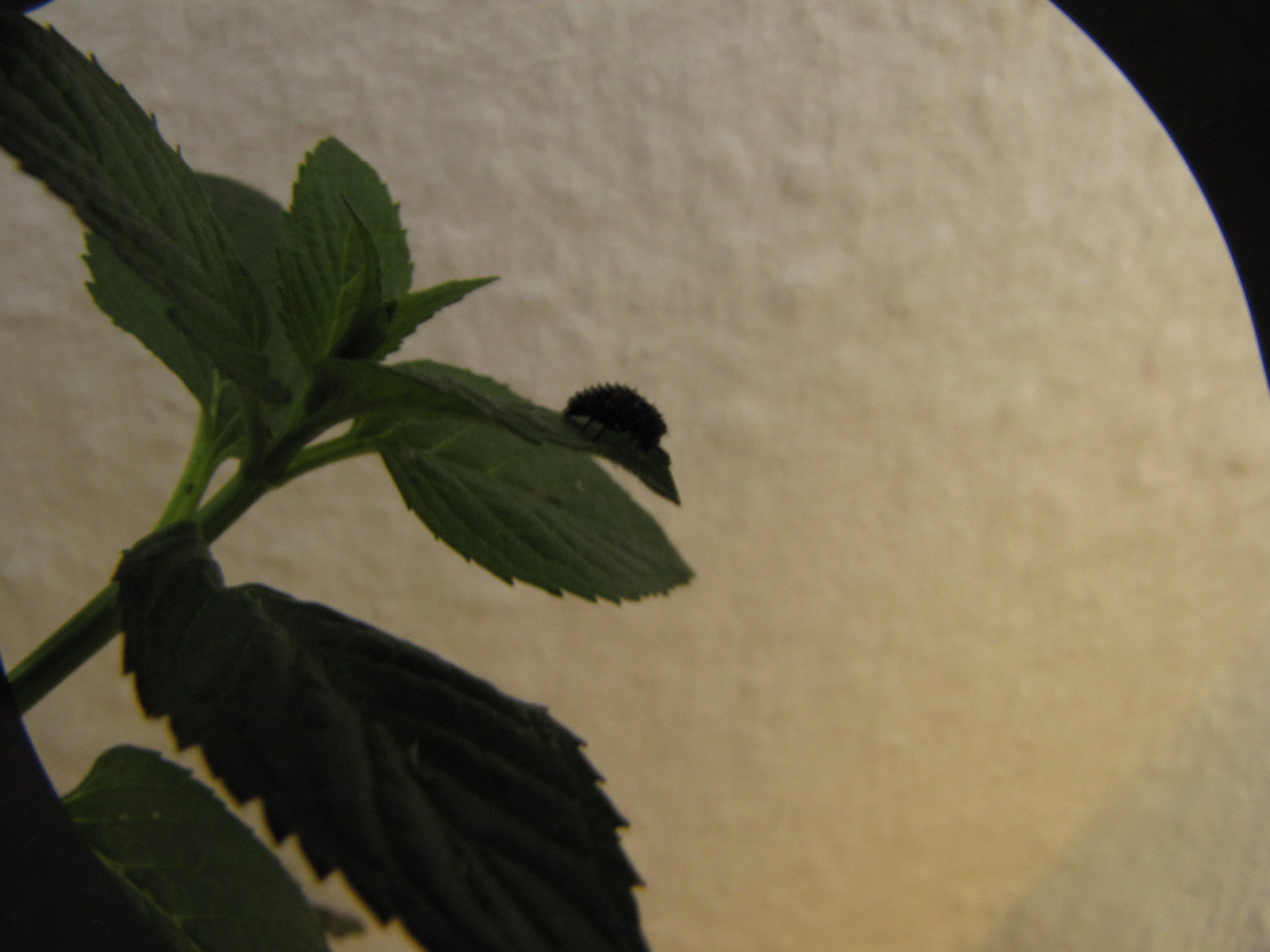
The ladybugs are successfully reproducing on our mint plant. Oh frabjous day! The larvae are crawling all over the plant scarfing down aphids like mad, and the adults are laying more eggs. It is exciting to see them doing so well.


Thursday, May 19, 2011

Bedside ecosystem


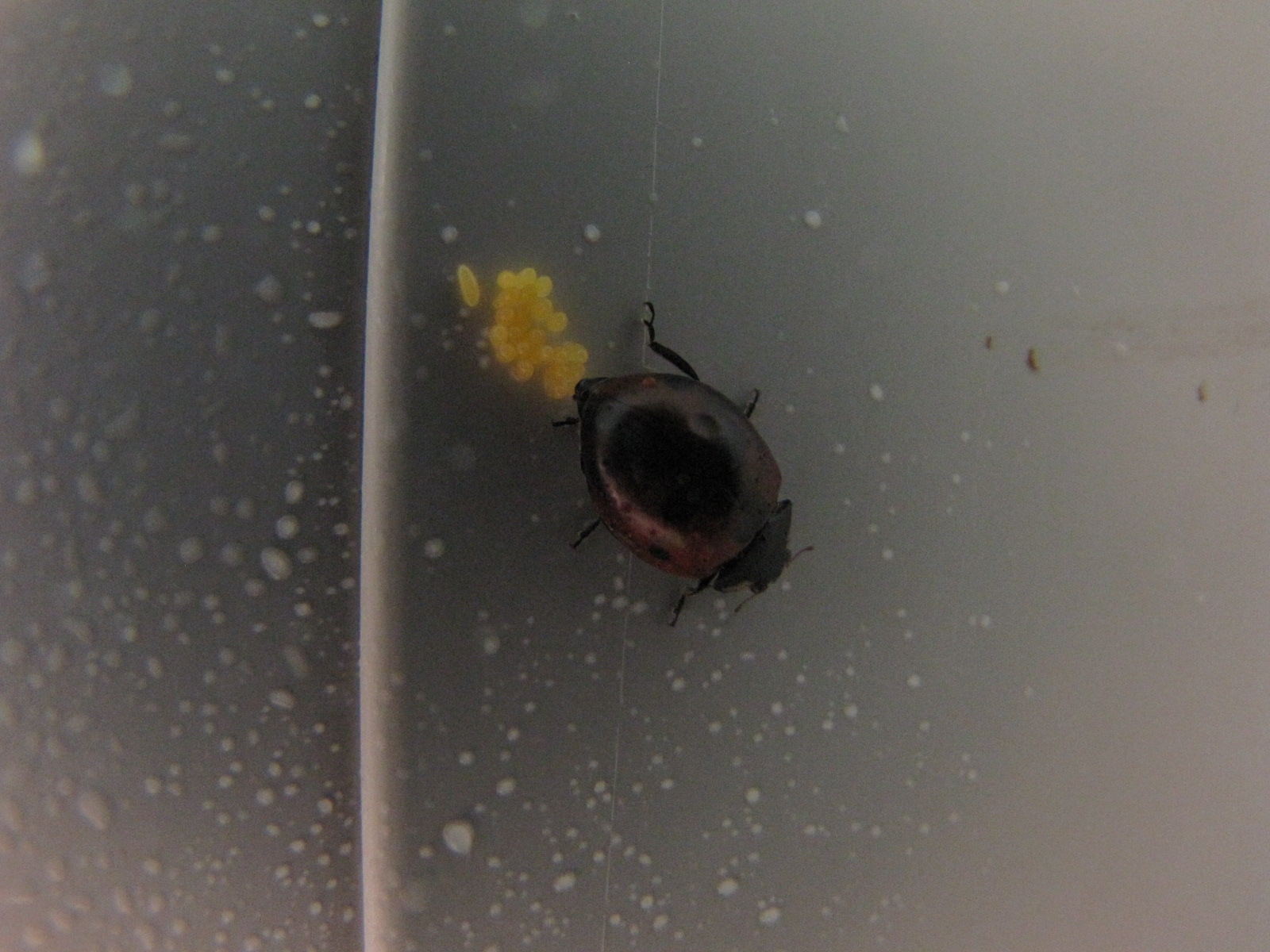
Most mornings I spritz the chocolate peppermint plant on our bedroom windowsill from a spray bottle of water. It loves to be damp. It is growing so well these days, is so juicy and luscious, that the aphids are maintaining a healthy population on it despite my best efforts to squish them and the depredations of the ladybugs. This of course leads the ladybugs to congregate on the mint, as the aphids, thrips and whiteflies have been picked clean off our other plants. And you know what happens when beetles congregate in the spring. This morning as I was spraying, I noticed one of the ladybugs laying eggs on the window frame!

There are about 30 eggs so far and she is still laying. The great thing about this is that labybug larvae are wonderful aphid predators, and don't fly away the way the adults do. So I'm going to transfer the eggs onto a leaf and hope they hatch.

Monday, March 14, 2011

Computer bugs

We now have enough ladybugs in our window plants that the aphids and white-flies won't last long. However keeping the predators concentrated in the little ecosystem for that long requires some doing. We find these little red happy pills wandering all over the apartment, and occasionally find them congregating in some warm dark niche. They like to be in groups, as their defensive chemicals and colors work better that way. This morning I found them assembling a conclave on and in the wireless router. Warm. Dark. Dry. Connected. Perhaps it is time to supply some hidey-holes in the planters under the plants.


P.S. Yes, I know that they are actually beetles, not bugs, but who has ever heard of computer beetles?

Friday, March 11, 2011

March of the Beetles

I like to have edible plants in the house. We have mint, basil and a Thai chili plant at the moment. We had oregano, but it didn't make it through the long sunless months. One of the drawbacks to having edible plants year round is that it means we also have aphids year round. All winter long I have been keeping them in check by spending a few minutes each morning squishing them or wiping them off the plants, but it is impossible to eradicate them this way.

So you can imagine my excitement and disappointment when on my way to work this morning I saw that wonderful eater of aphids, a ladybug, squished on the sidewalk. This is practically the first outdoor insect I have seen this spring, and just the one I wanted to catch and put on my plants, but it had been stepped upon.

Knowing that the ladybugs were waking from hibernation, I kept an eye out for them on the rest of my walk, and at lunch time. I collected a dozen, and am prepared to offer advice on the finding of ladybugs on cold spring days. Look for them climbing out of dense vegetation (evergreen shrubs, tall dead grass) upon which the sun is shining in places sheltered from the cold wind. If you see one, look closely for more nearby, as they tend to overwinter in groups. Ladybugs are poisonous to most things that might want to eat them, and will come out of cover into the sun even when they are too cold and slow to fly or escape, and are therefore easy to catch. Generally a slightly moist finger touched to the wing covers will adhere enough to lift the beetle into a jar without risk of squishing them. Once you have handled them they will arouse quickly, and attempt to climb to the top of whatever container you have but them in. Apply them liberally to plants infested with aphids, whiteflies or other pests, and expect to find them crawling around your apartment.

Wednesday, August 27, 2008

Picture of Science! Spider Hatchlings


One of the wonderful things about gardening is the opportunity to meet the creatures in my yard. I was very pleased this spring to find an empty nursery pot brimming with newly hatched spiders.
I have no idea what species they are. Within two days they had all dispersed to eat up garden pests.

Friday, May 30, 2008

Garden of Science!

Most anyone in the Northern Hemisphere who has put out a bird feeder has had the problem of dealing with squirrels raiding their feeder, spilling the seed and chasing off the birds. There are a huge range of products designed to deter, exclude or punish the offending rodents, many of which work only marginally. I am currently using a product which is highly effective and nearly free: chili-pepper seed mixed into the bird seed. As any mammal who has bit into a chili-pepper knows, chilies make mammalian mucous membranes burn. What most mammals don't know is that to birds, the active compounds in chilies, capsaicin, does not cause pain to birds. In fact, to them is is an analgesic, meaning a pain killer. 

Wild chilies make their seeds and fruits to propagate themselves. But chili seeds eaten by mammals tend to be chewed up, and even if they are not, they don't germinate successfully after passing through our digestive systems, and even if they did, mammals don't tend to transport seeds as far as birds would. So it is well worth their while to produce a compound that dissuades mammalian seed predators and simultaneously encourages avian seed dispersers. Chili seeds pass though the guts of most seed eating birds perfectly primed to germinate, and get a ride far from their parent plant.

But in my bird feeder, the seeds are an enticement to the birds I want to attract, and a strong discouragement to the squirrels. And because it is whole seed, it won't wash away as chili powder would, and pouring whole seed it does not induce as much coughing. 

I bought a very cheep bag of over-ripe Thai chilies from my local grocery store, dried them in the sun and then banged them around in the food processor until all the seeds had come loose and settled to the bottom. I then mixed them with commercial bird seed before filling the feeder. The squirrel, to my knowledge, visited the feeder only once.